An independent information site about the roads, tunnels and bridges of Ireland. Not a sales or booking service.

The Wild Atlantic Way road curving along the west coast of Ireland

Coastal route

Wild Atlantic Way

A trail of 2,500 kilometres along the west coast of Ireland, from Donegal in the north to Kinsale in the south. It is not a single road — it is a system of signage laid over roads that already exist.

Routes Published 9 May 2026 Updated 25 September 2026 ≈ 4 minute read

The Wild Atlantic Way is a concept rather than a road. You cannot drive it from beginning to end without stopping, and that is not the intention. It is a trail that draws existing roads together under a single sign.

The most important thing to understand is that the route does not suit every kind of travel. It is long, it is winding in places, and the weather is a considerable factor.

North

Donegal

The most remote stretch of the route

Centre

Mayo · Galway

The mountains and the best-known coast

South

Kerry · Cork

The most familiar stretches of coast

The most important thing

This route is not a motorway. It is made up of national, regional and local roads, with varying speeds and conditions. Allow far more time than you would on a motorway.

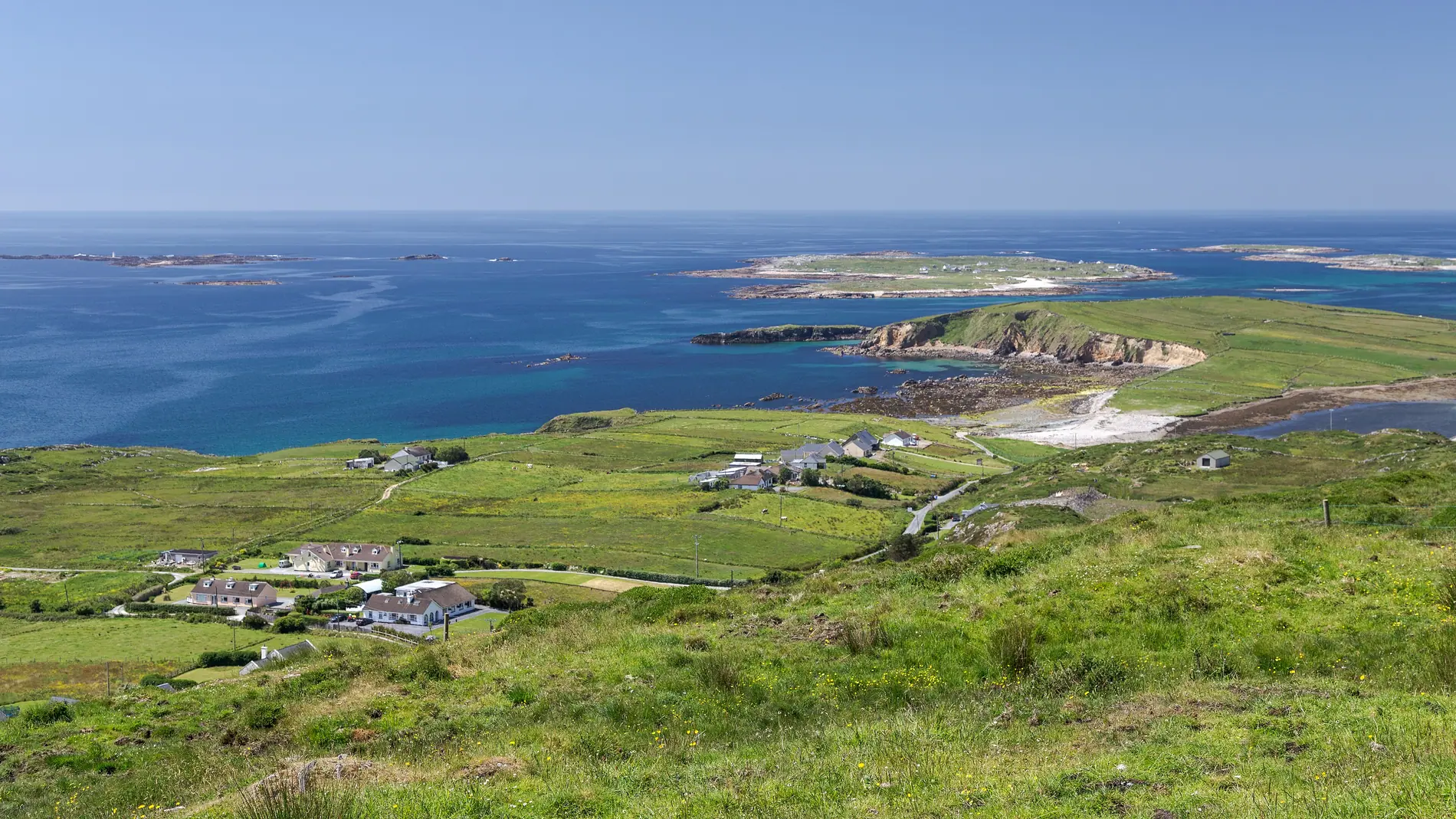
The Sky Road in Connemara curving along the Atlantic coast
The Sky Road, Connemara. Photograph: Superbass (CC BY-SA 4.0).

Part one

The road as a trail, not a shortcut

In most of the country, the road is the thing that carries you to a destination. On the Wild Atlantic Way, the road itself is often the destination. It is not only that the view of the coast is there — it is bound up with the way you arrive at it.

That places a certain pressure on the route. People often stop to look, and that has an effect on the traffic. If you travel early in the morning or late in the afternoon, it will be easier.
Part two

The seasons that change the route

In summer, the coastal roads are busier and there is more competition for space. In winter, they are quieter, but the weather is worse and some facilities are closed.

The most useful thing you can do is divide the route into smaller sections and set your expectations according to the season.

Weather and seasons
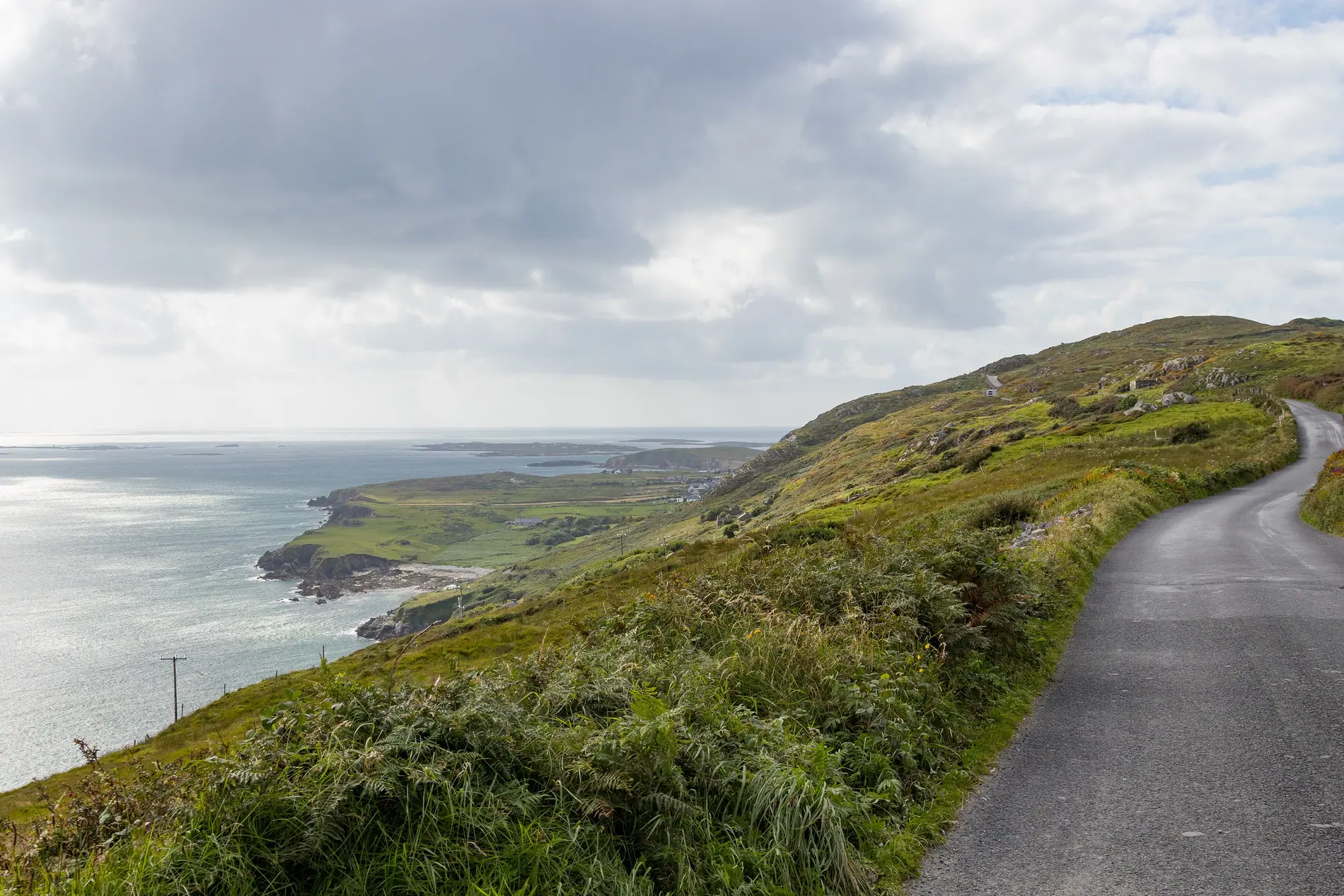
A view from the Sky Road out over the Atlantic coast in Connemara
The coast from the Sky Road. Photograph: JoachimKohler-HB (CC BY-SA 4.0).

What has to be understood is that following the route is not enough. You must be able to stop, and you must be able to turn back.

A practical note

What to plan for

We do not offer recommendations about destinations or about timings. We can set out the kinds of decisions to be made.

  1. 01

    Divide the route

    The full trail cannot be done in a single journey. Choose one section and do it well.

  2. 02

    Set your own pace

    Some of the roads are narrow and cannot be driven quickly. Allow yourself the time.

  3. 03

    Check the conditions

    Check the weather and official advice in advance, particularly for coastal roads.

  4. 04

    Be ready for closures

    Some sections of the route may close temporarily. Have another way in reserve.

Reading the trail on the ground

The trail does not exist as a single line on the ground. It is assembled from roads that are already there, and in places it can run inland before returning to the coast later. That means you may be on the trail without being on the coast at the same moment.

As a rule, it is the sign you recognise, not the road itself. Signs along the trail are mounted on particular posts or pillars, and they can be clearer than other signs.

If you miss a sign, it does not mean you have left the trail. The trail can continue along different roads, and often not every turn is signed.

It is not a single trail

The trail is made up of roads that already exist. Your journey can therefore be on the trail without being a complete “Wild Atlantic Way journey”.

Editorial

Content is written and reviewed in accordance with our editorial policy.

Corrections

If you spot an error, let us know at [email protected].

Contact

m50nline, 73 Clontarf Rd, Clontarf East, Dublin 3, D03 EP93, Ireland
+353 1 833 6364